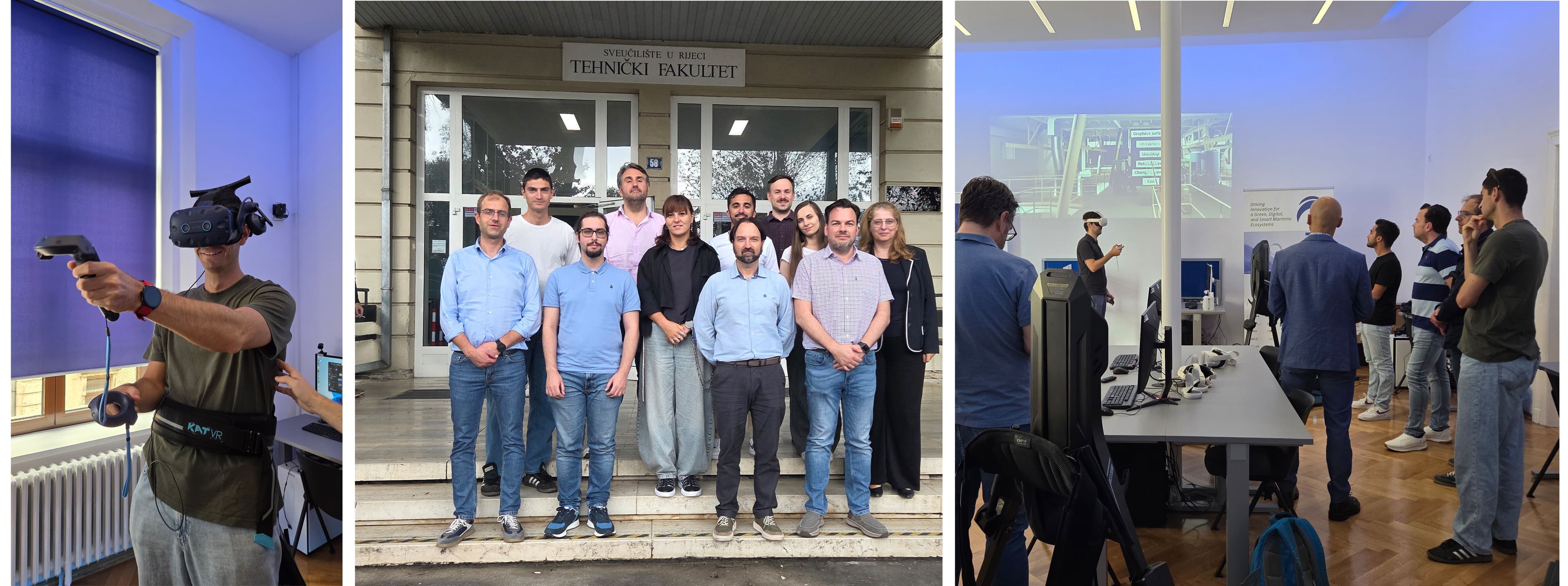
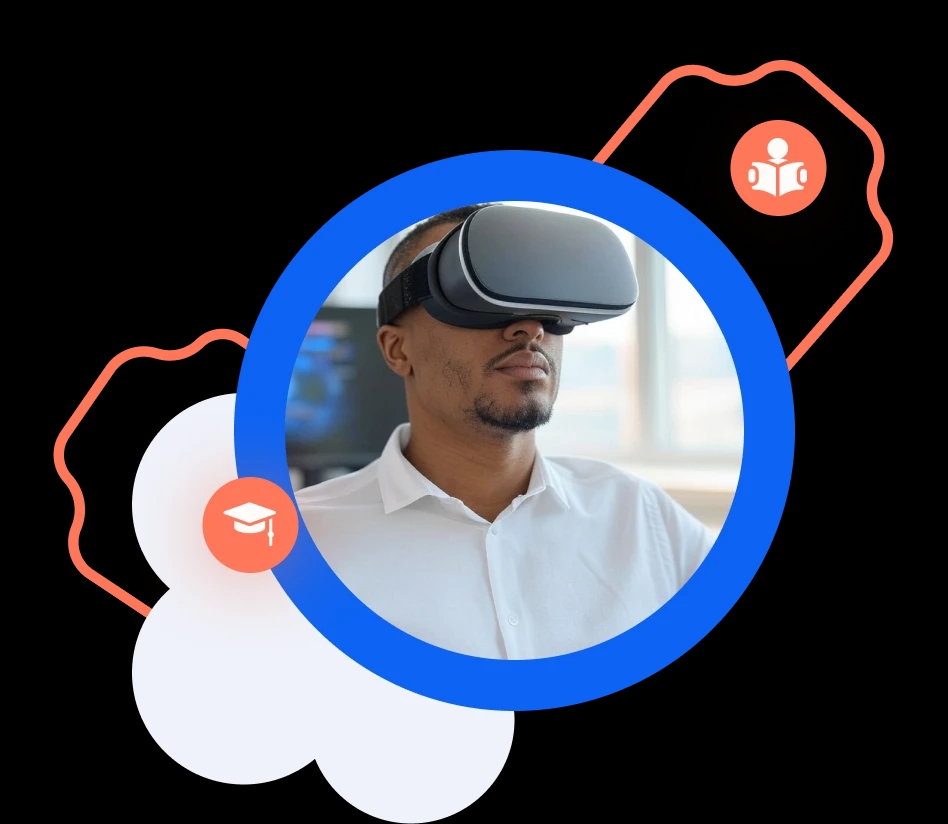
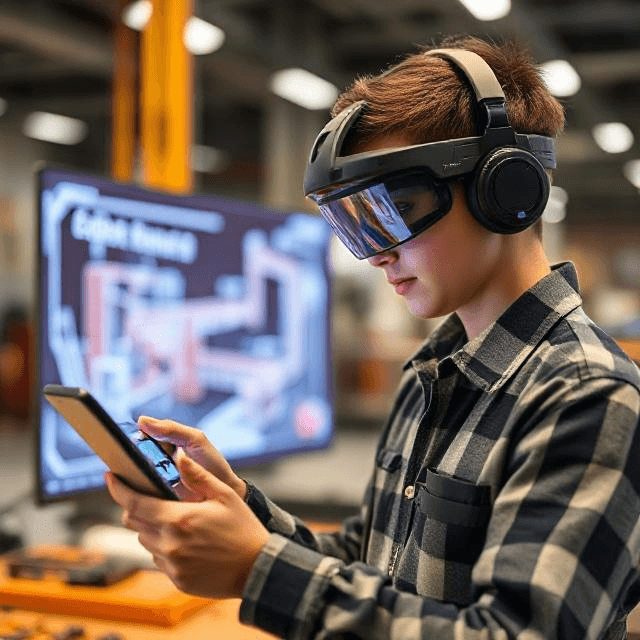
The project is driven by the rapid evolution of Industry 4.0/5.0 and human-centric manufacturing, underscoring the need for Europe to enhance its competitive edge through collaborative innovation and shared expertise. Utilising Mixed Reality (MR) technology in Higher Education (HE) training, this initiative aims to revolutionise the learning landscape by offering students immersive and interactive experiences that significantly depart from traditional learning methodologies. MR technology, which combines elements of both virtual reality (VR) and augmented reality (AR) to create environments where physical and digital objects co-exist and interact in real-time, allows students to engage with complex concepts within 3D environments. This immersive experience goes beyond traditional learning by enabling students to visualize and manipulate theoretical materials in a hands-on, interactive manner, thereby enhancing understanding and retention of complex subjects in manufacturing and engineering.
EMPOWERING ENGINEERING TALENT
Advanced MR Training for Human-Centric Production Empowering Engineering Talent
Erasmus+ project no. 2024-1-MT01-KA220-HED-000246701
Latest News
Discover the most recent updates and information about the project. Follow the project and stay updated!
About TRAINEE
Motivation
Objectives
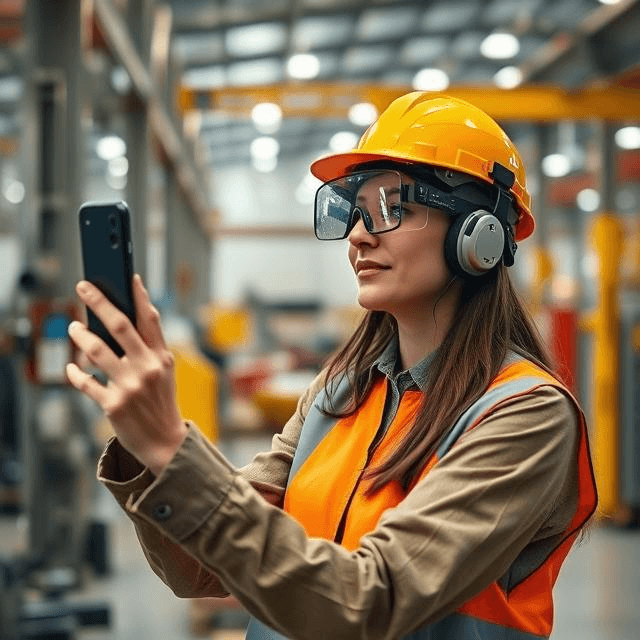
MR Specifications for Higher Education
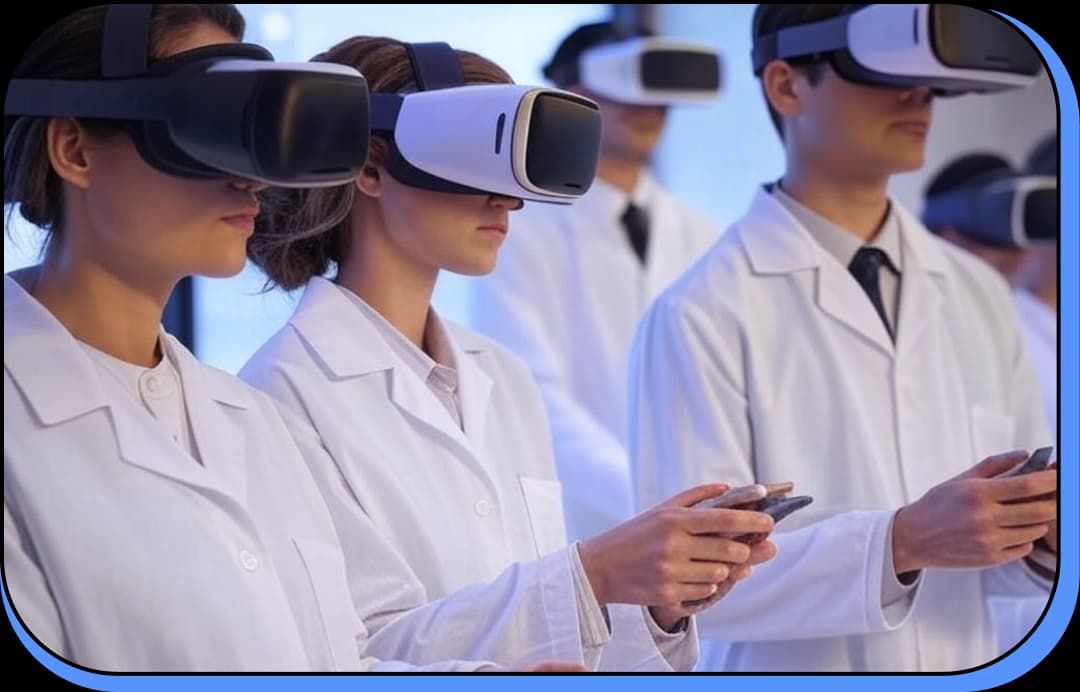
Developing specifications for the use of Mixed Reality technology in HEI. Grasping and understanding the specifications of MR technology in education can directly revolutionise teaching and learning, leading to improved learning outcomes, increased accessibility and inclusivity, reduced carbon footprint and innovative teaching and learning practices, supporting a more sustainable education system and green capabilities.
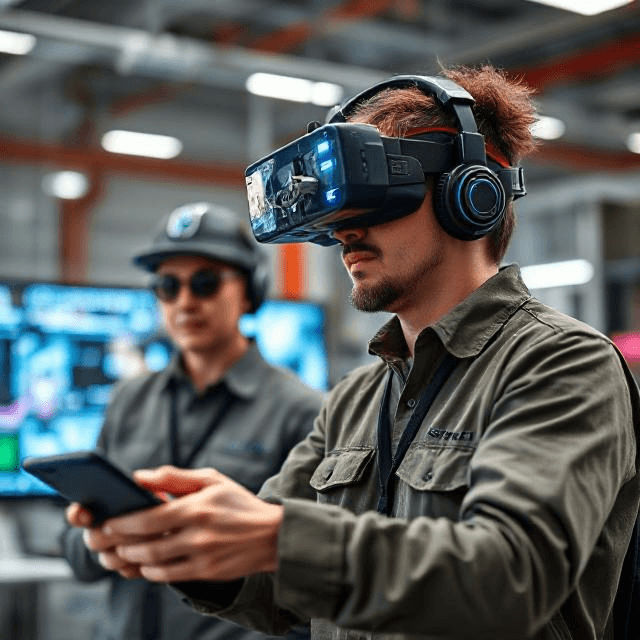
Pedagogical Framework for MR Integration
Establishing a pedagogical framework for the effective use of MR technology in training HEI learners. The pedagogical framework for the effective use of MR technology can support digital and green capabilities by ensuring that the technology is used both effectively and meaningfully, leading to better learning outcomes for students.

MR Content and Training Tools
Developing a framework for the creation of MR content specifically for HEI, to enable learners to effectively engage with Industry 4.0/5.0 concepts and applications. Providing the relevant content through an innovative MR Training Toolbox that both HEI trainers and learners can use to improve their skills.
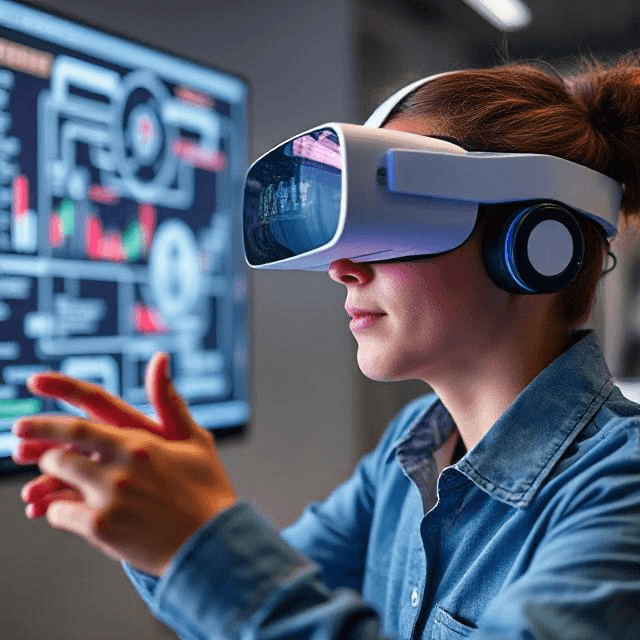
Case Studies
Identifying and implementing a set of practical case studies to explain and test how MR can be used to improve industry competitiveness and the adoption of Industry 4.0/5.0 technology. These case studies will demonstrate the benefits and potential of MR and lead to increased uptake by HEI.
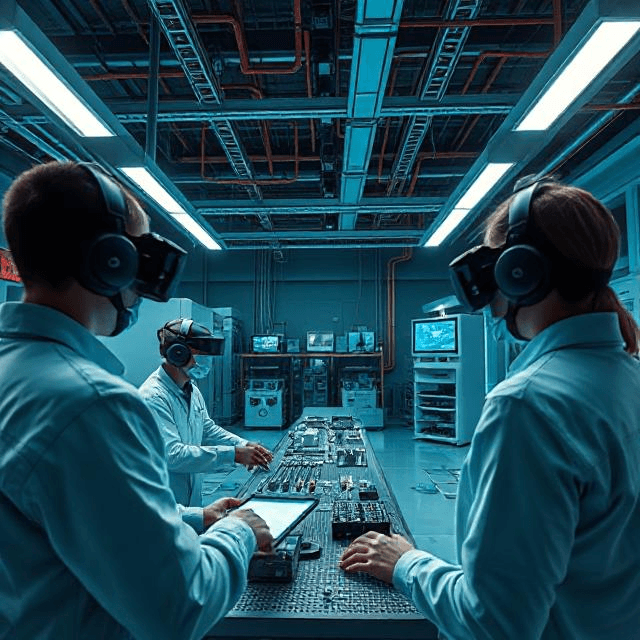
Evaluation Tool
Developing an evaluation tool that can measure knowledge transfer effectiveness of the proposed framework and the TRAINEE MR Training Toolbox. This tool will provide HEI trainers with a tangible measure to assess the effectiveness of the digital learning tools and identify areas for improvement and adjustments to optimize learning outcomes.
Promote Sustainability and Digital Accessibility
Ensuring that MR training tools and methods are both sustainable and digitally accessible – by reducing the carbon footprint associated with traditional hands-on training (minimizing the need for physical materials and travel) and by designing inclusive MR-based educational content that follows the principles of universal design and promotes open educational resources.
Implementation
TPMs: The consortium will organise transnational project meetings to strengthen collaborative partnerships and advance common goals.
Research and Development: activities leading to intellectual outputs (reports, educational materials, case studies, evaluation frameworks).
LTTA: Learning, Teaching, and Training Activity will target HEI trainers, in the form of short-term training designed to further upskill staff in the development and use of MR tools.
MEs: Multiplier events will allow the results and findings of the project to be shared with a wider audience, such as stakeholders, professionals, educators, policymakers, or the general public.
Scientific Outreach: Publication of project results in relevant journals and active participation in international conferences.
Work Packages
- Coordination of project activities and partner collaboration
- Financial and administrative management
- Monitoring project progress and risk management
- Quality assurance and reporting
- Survey on HEI trainer and learners needs
- Development of learning objectives for Industry 4.0/5.0
- Creation of a pedagogical framework
- Identifying the purpose of the MR tool and training content
- MR content creation framework
- MR training content
- Delivering the MR Training Toolbox
- Case studies to test framework and MR tools
- Evaluation tool to test effectiveness
- Communication strategy
- Branding, promotion, and online presence
- Engagement through events, publications, and social media
Key Outcomes
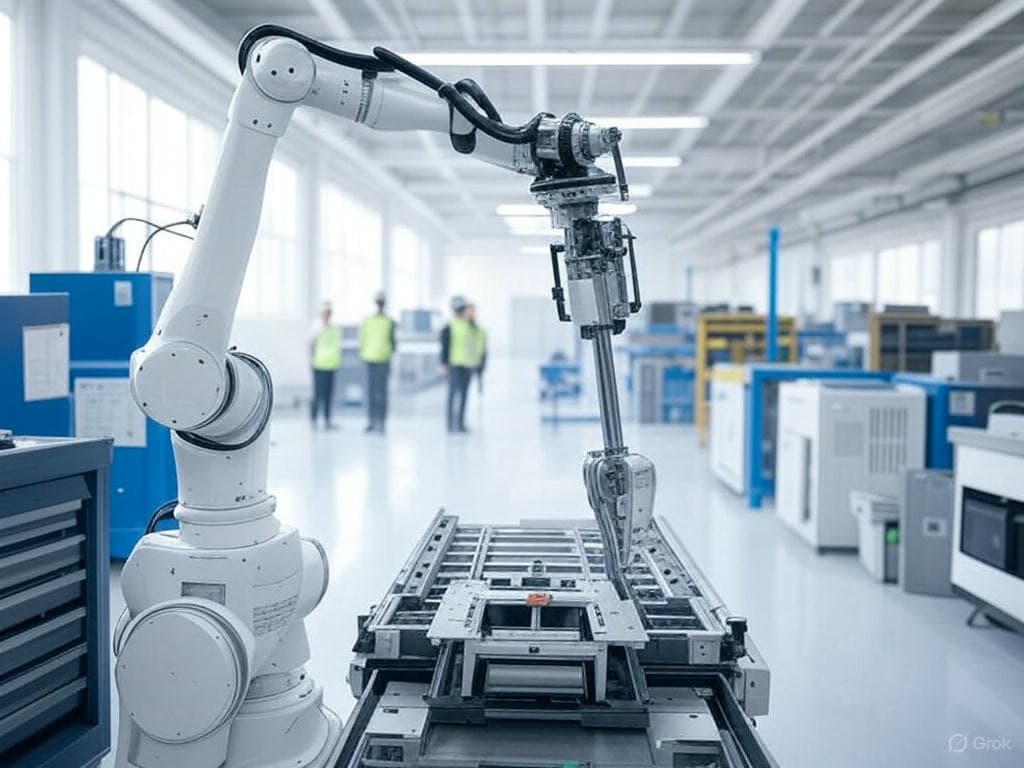
- Enhanced digital skills and MR competencies among students and educators.
- Immersive, adaptive, and engaging learning experiences.
- Industry-ready competencies for graduates.
- Practical case studies to showcase the effectiveness of Industry 4.0/5.0 tools.
- Strengthened collaboration between European institutions and industries.
Partners